
The History of Asbestos Roofing in Queensland
Asbestos cement roofing was once a familiar sight across Queensland. It was installed on homes, garages, sheds, factories and commercial buildings because it was relatively affordable, durable and resistant to heat, moisture and fire.
Decades later, many of these roofs remain in place throughout Brisbane and regional Queensland. Their age does not automatically make every property dangerous, but weathering, storm damage or unsafe maintenance can release hazardous asbestos fibres.
This article looks at the history of asbestos roofing in Queensland, why it became so widely used and what owners of older Brisbane properties need to understand today.
What Is Asbestos?
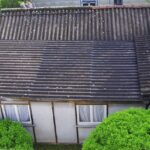
Asbestos is the collective name for a group of naturally occurring fibrous minerals. The fibres are strong, flexible and resistant to heat and chemical damage, which made asbestos attractive to manufacturers during the twentieth century.
Asbestos was added to thousands of products, including:
- Corrugated roof sheets
- External and internal wall sheeting
- Eaves, soffits and fascia panels
- Roof and wall shingles
- Water and drainage pipes
- Flooring and backing materials
- Insulation and fire-resistant products
- Brake linings, gaskets and other industrial products
Chrysotile, crocidolite and amosite were among the asbestos types used commercially in Australia. Chrysotile, commonly called white asbestos, was the most widely used type.
The asbestos used in roofing was generally mixed with cement to produce a strong sheet material. This is known as asbestos cement, bonded asbestos or non-friable asbestos.
When Was Asbestos Roofing Used in Queensland?
Asbestos-containing building products were used in Australia throughout much of the twentieth century. Their use expanded considerably during the post-war construction boom, when Queensland’s growing population created demand for affordable homes and building materials.
Corrugated asbestos cement roofing became common on:
- Post-war houses
- Garages and carports
- Backyard sheds
- Commercial and industrial buildings
- Schools and community facilities
- Rural buildings and workshops
Asbestos materials were used in Queensland homes built during the 1950s, 1960s, 1970s and 1980s. As a general rule, a property constructed before 1990 may contain asbestos somewhere in the building.
That does not mean every roof installed before 1990 contains asbestos. Metal roofing and concrete or terracotta tiles were also widely used. The age of a building is an important clue, but it is not proof of the roofing material’s composition.
Why Did Asbestos Roofing Become So Popular?
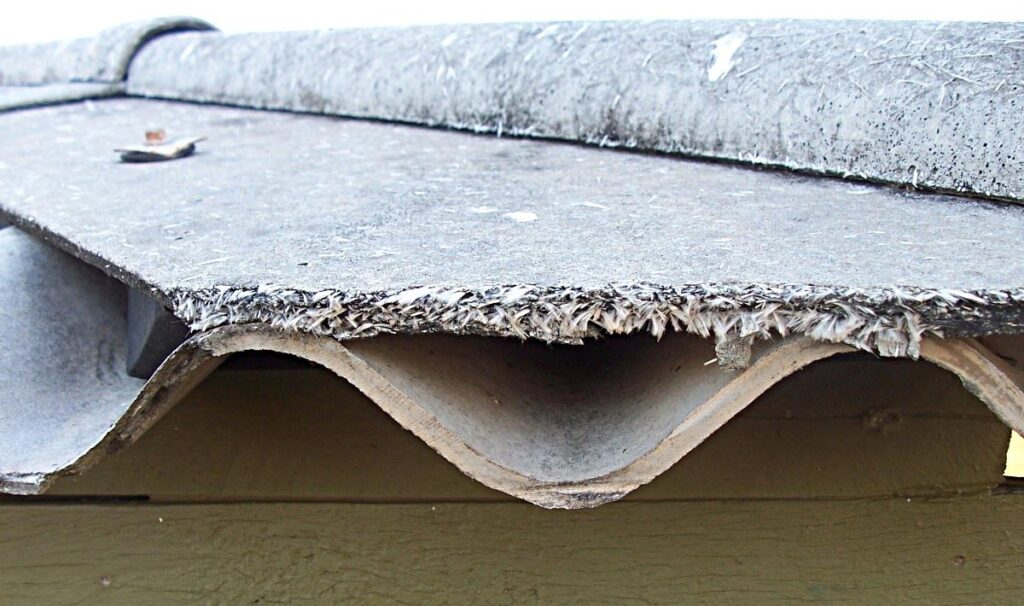
Asbestos cement roofing offered several practical advantages to builders at the time.
It Was Strong but Relatively Lightweight
The fibres reinforced the cement and allowed manufacturers to produce large corrugated sheets that were lighter than many tiled roofing systems.
It Was Resistant to Heat and Fire
Asbestos does not burn easily. This made asbestos cement appealing for houses, sheds and industrial buildings where resistance to heat and fire was considered important.
It Was Resistant to Rot and Insect Damage
Unlike untreated timber products, asbestos cement did not rot or provide food for termites and other insects.
It Could Be Manufactured in Large Quantities
The material could be mass-produced into standard roof sheets, wall panels, pipes and moulded building components. This supported rapid construction during periods of housing growth.
Its Health Risks Were Not Properly Controlled
Medical concerns about asbestos exposure developed over many decades. However, asbestos-containing products continued to be manufactured and installed long after serious occupational health risks had begun to emerge.
Workers involved in asbestos mining, manufacturing, construction, shipbuilding and insulation were among those who experienced significant historical exposure.
What Is Super Six Asbestos Roofing?
Super Six was a trade name originally associated with deep-corrugated asbestos cement roof sheeting. Over time, the term became commonly used for similar large-profile asbestos roof sheets, even when they were made by another manufacturer.
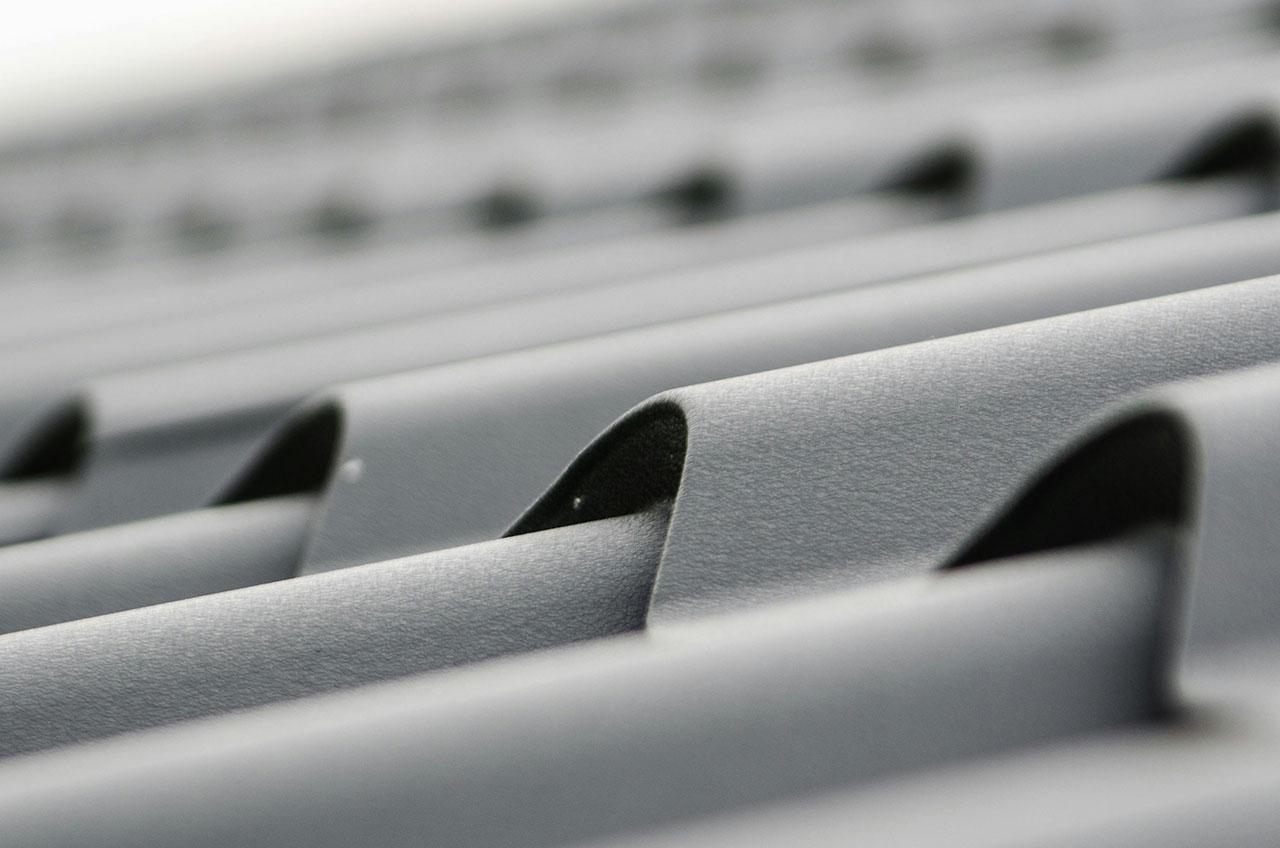
Super Six roofing was installed on many Queensland homes, garages, sheds and commercial buildings. The sheets were generally thicker and had deeper corrugations than standard corrugated cement roofing.
Not every sheet described as Super Six contains asbestos. Later asbestos-free fibre cement products were also produced, which is why the name or appearance alone cannot provide definite confirmation.
When Was Asbestos Banned in Australia?
The phase-out of asbestos did not occur through one Queensland building-material ban in the early 1990s.
Australian manufacturers progressively stopped using asbestos in many building products during the 1980s. However, previously manufactured stock remained in circulation, and asbestos continued to be used in some non-building products for longer.
A nationwide prohibition on the manufacture, supply, use, reuse, import and export of asbestos and asbestos-containing products took effect on 31 December 2003.
The national ban did not require all asbestos already installed in homes and buildings to be removed. This is why legally installed legacy asbestos remains present across Queensland today.
What Is Asbestosis?
Asbestosis is not another name for asbestos. It is a chronic lung disease caused by inhaling asbestos fibres, usually following substantial exposure over time.
The inhaled fibres can cause inflammation and scarring within the lungs. This may make breathing progressively more difficult.
Asbestos exposure can also contribute to other serious diseases, including:
- Mesothelioma
- Lung cancer
- Asbestos-related pleural disease
- Cancer of the larynx
- Ovarian cancer
Asbestos-related diseases usually do not cause immediate symptoms after an exposure. They may take many years or decades to develop.
Symptoms such as breathlessness, chest pain, coughing or fatigue are not proof that a person has an asbestos-related disease. Anyone concerned about a possible exposure or respiratory symptoms should speak with a medical practitioner.
When Does Asbestos Roofing Become a Health Risk?
Asbestos cement roofing generally presents a low risk while it remains intact, sealed and undisturbed. The main health risk occurs when asbestos fibres are released into the air and inhaled.
Fibres may be released when roofing is:
- Broken or cracked
- Cut, drilled or ground
- Sanded or scraped
- Cleaned using high-pressure water
- Damaged by fire, hail or falling branches
- Badly weathered or deteriorated
- Removed using unsafe methods
Queensland homeowners should not assume that the safest response is to immediately disturb and remove every intact asbestos roof. The condition of the material and the likelihood of future disturbance should first be professionally assessed.
Why Ageing Asbestos Roofs Need Attention
Although bonded asbestos can remain stable for many years, Queensland’s asbestos cement roofs are now old. Many have been exposed to decades of strong sunlight, heat, humidity, heavy rain, hail and storms.
Ageing roof sheets may become brittle, weathered or difficult to maintain safely. Their surface can deteriorate, particularly when they have previously been pressure cleaned, painted incorrectly or damaged by foot traffic.
Warning signs can include:
- Cracked or broken sheets
- Visible holes or missing sections
- Recurring roof leaks
- Loose or damaged roof fixings
- Fragments around gutters or on the ground
- A severely weathered or powdery surface
- Storm or impact damage
These signs do not necessarily confirm that fibres are airborne, but they indicate that professional assessment may be appropriate.
Can You Identify Asbestos Roofing by Looking at It?
An experienced asbestos professional may be able to identify materials that are likely to contain asbestos from their age, profile, construction and manufacturer markings. However, visual inspection alone cannot provide absolute confirmation.
White powder, dark marks, moss, lichen or brown staining do not prove that a roof contains asbestos. These features can appear on many ageing roofing materials.
The only reliable way to confirm whether a roof sheet contains asbestos is to have a representative sample analysed by a NATA-accredited laboratory. Sampling should be arranged by an experienced professional so the roof is not unnecessarily broken or disturbed.
Should an Asbestos Roof Be Removed?
An intact asbestos cement roof does not automatically require immediate removal. In some cases, leaving it undisturbed and monitoring its condition may be appropriate.
Removal and replacement may become the better long-term option when the roof is:
- Badly weathered or brittle
- Cracked or extensively damaged
- Leaking in several areas
- Frequently requiring repairs
- Affected by a planned renovation or extension
- Damaged by a storm, fire or fallen tree
- Unsafe to access or maintain
- Approaching the end of its practical serviceable life
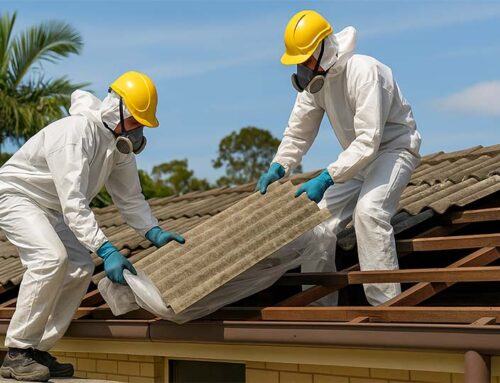
Homeowners should not walk on an asbestos cement roof. Old sheets can be fragile and may break without warning, creating a serious fall risk as well as the possibility of fibre release.
Queensland Rules for Asbestos Roof Removal
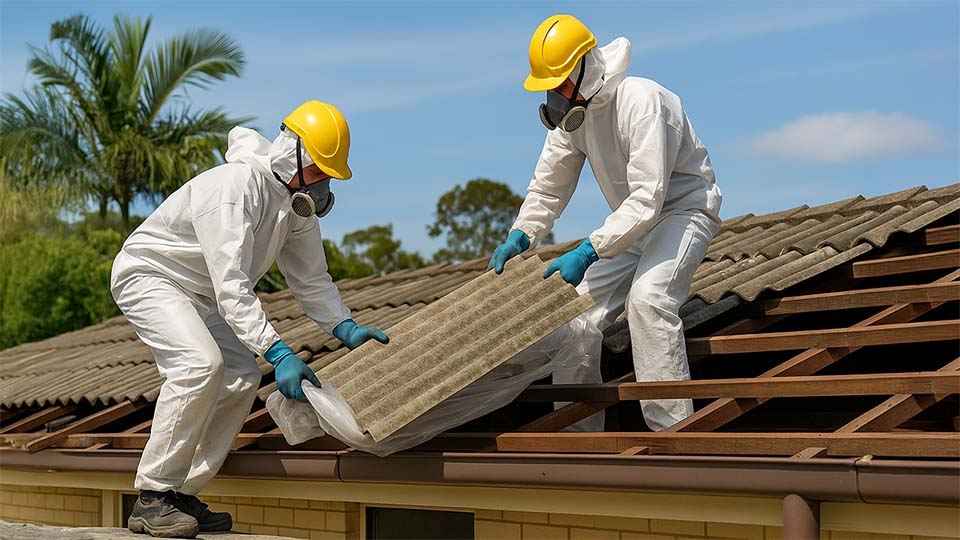
In Queensland, a business removing more than 10 square metres of non-friable asbestos must hold an appropriate Class A or Class B asbestos removal licence.
A complete asbestos roof will almost always exceed 10 square metres. Homeowners should therefore check that the business performing the removal holds a current asbestos removal licence in addition to any roofing or building licence required for the replacement work.
It is also illegal in Queensland to use high-pressure water equipment on asbestos-containing roofing. Pressure cleaning can spread asbestos fibres and contaminated slurry across gutters, gardens, neighbouring properties and stormwater systems.
Learn more about the current requirements and removal process in our guide to asbestos roof removal in Brisbane.
The Future of Asbestos Roofing in Queensland
Asbestos roofing is no longer manufactured or legally installed in Australia, but the legacy material will remain in Queensland buildings for years to come.
The future is therefore not a second legal ban or an automatic requirement to remove every existing roof. The challenge is to identify, manage and progressively remove ageing asbestos materials without creating unnecessary exposure.
Removal is likely to continue as properties are renovated, demolished, damaged by storms or upgraded with new roofing. Safe management is especially important because many asbestos cement roofs are now several decades old.
Where replacement is necessary, the work should combine controlled asbestos removal with suitable modern roofing, correct insulation, compliant flashings and an assessment of the exposed battens and roof structure.
Professional Asbestos Roof Replacement in Brisbane
The health risk from asbestos roofing is not simply caused by leaving an intact sheet in place. The greatest concern is allowing fibres to become airborne through deterioration, damage or unsafe work.
Do not drill, cut, sand, pressure clean or walk on suspected asbestos cement roofing. Arrange a professional assessment before beginning repairs, renovations or replacement work.
Brisbane Roofing Co provides licensed asbestos roof removal and replacement in Brisbane. Our team can assess the existing roof, prepare a clear removal plan, arrange compliant disposal and install a modern replacement roofing system.
QBCC Licence: 15308647
Asbestos Removal Licence: 2330000